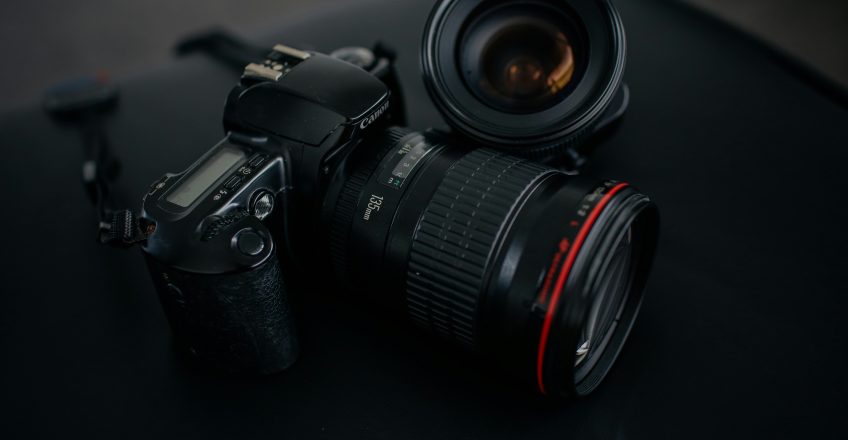
Photography is both an art and a science, requiring a balance of creativity, technical skill, and thoughtful composition. One concept that helps photographers achieve visually appealing and well-balanced images is the 20-60-20 rule. While not as commonly discussed as the rule of thirds, this principle is highly effective in creating harmony and guiding the viewer’s eye within a photograph.
The 20-60-20 rule is a composition technique that divides an image into three visual sections:
This distribution helps create a balanced image where no single element overwhelms the others, resulting in a clean and professional look.
When applying the 20-60-20 rule, the goal is to ensure that your main subject stands out while still being supported by the surrounding elements.
For example, in a portrait shoot, the subject may occupy a smaller portion of the frame, while the environment adds context and mood, and additional elements like props or lighting details provide balance.
This rule ensures that all elements within the frame are proportionate, avoiding clutter or emptiness.
By dedicating a larger portion of the image to the environment, photographers can tell a more complete story.
It helps guide the viewer’s eye naturally across the image, making the photo more engaging.
The subject takes up 20% of the frame, while the background (60%) adds mood, and the remaining 20% includes elements like props or lighting accents.
A key feature such as a tree or person may occupy 20%, the landscape dominates 60%, and the remaining 20% balances the composition with elements like the sky or foreground details.
At events, the main action (20%) is supported by the environment (60%) and additional details like décor or audience reactions (20%).
At Oramedia, this approach is often used to ensure that every shot captures not just the subject, but also the atmosphere and story behind the moment, resulting in more impactful and professional visuals.
Like any photography guideline, the 20-60-20 rule is not strict. Creative expression sometimes requires breaking the rule to achieve a unique perspective. However, understanding it first allows you to break it intentionally and effectively.
The 20-60-20 rule is a powerful yet simple technique for improving composition and storytelling in photography. By balancing the main subject, supporting elements, and background, photographers can create images that are both visually appealing and meaningful.
Whether you are a beginner or a professional, applying this rule can elevate your work. At Oramedia https://oramedia.co.ke/, such composition techniques are key to delivering high-quality photography that captures not just moments, but complete visual stories.